

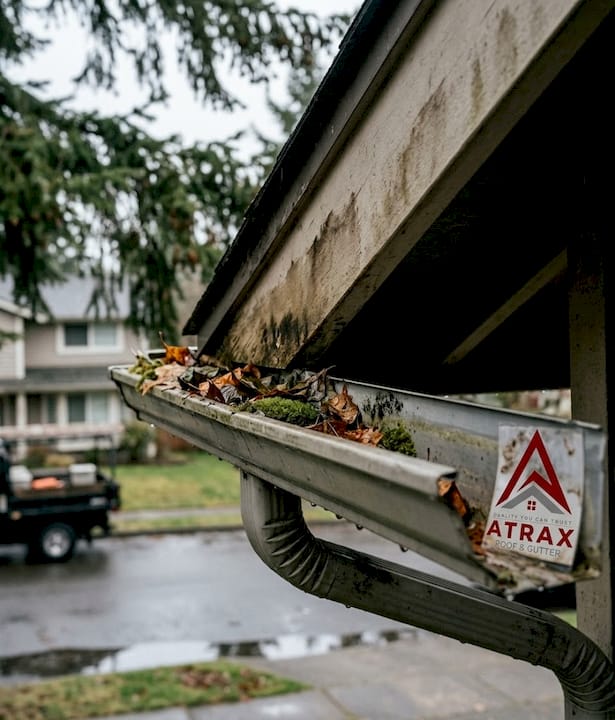
Washington homes take a beating from the sky. Between relentless fall rains, conifer needle drop, and the moss that creeps across every surface it can find, your gutters are working harder than most homeowners realize. Washington homes face unique gutter challenges including moss, lichen, and algae buildup that can defeat even advanced gutter guards. The good news is that a structured inspection checklist puts you in control, helping you catch small issues before they turn into expensive repairs to your foundation, fascia, or roof structure.
Table of Contents
- Why gutter inspections matter in Washington
- The complete gutter condition inspection checklist
- What the signs mean: When to repair or replace
- Proven tips for ongoing gutter health
- Gutter solutions compared: DIY, guards, and professional help
- A gutter expert’s view: What most checklists miss
- Need help with your gutters? Atrax Roof & Gutter has you covered
- Frequently asked questions
Key Takeaways
| Point | Details |
|---|---|
| Regular inspection prevents damage | Twice-yearly checklist-based inspections are crucial for protecting your Washington home from leaks and structural problems. |
| Gutter guards are not maintenance-free | Even with gutter covers, moss and debris buildup demand regular checks and cleaning in the Northwest climate. |
| Know when to call a pro | Identifying issues early lets you choose affordable repairs instead of costly replacements. |
| DIY with caution | Most cleaning can be DIY but persistent or severe issues need expert inspection for lasting results. |
Why gutter inspections matter in Washington
Washington’s climate is genuinely tough on gutters. The Puget Sound region averages around 37 to 55 inches of rainfall per year depending on location, and that water has to go somewhere. When gutters are blocked or damaged, it goes somewhere you do not want it to go.
Here is what makes Washington gutters particularly vulnerable:
- Heavy, sustained rainfall fills clogged gutters fast, causing overflow that saturates soil near your foundation
- Conifer needles and leaf debris pack into gutters tightly and hold moisture, accelerating rust and rot
- Moss and lichen attach to gutter surfaces and grow into seams, breaking down sealants over time
- Freeze and thaw cycles in winter can turn standing water into ice dams that pull gutters away from the fascia
- Overhanging trees are nearly universal in Washington yards, constantly reloading gutters with organic material
Understanding gutter overflow risks is the first step. Overflow is not just an aesthetic problem. Water that pours over the sides of your gutters pools against your foundation, seeps into crawl spaces, and can cause thousands of dollars in structural damage over just a few seasons.
Many homeowners assume that once they install gutter guards, the problem is solved. But micro-mesh guards can fail as moss, algae, and lichen clog them in Pacific Northwest climates. Guards reduce maintenance; they do not eliminate it.
Neglected gutters also create hidden mold problems. When water backs up under roofing materials or soaks into the fascia board, mold can establish itself inside your attic or wall cavities before you ever notice a stain on the ceiling. Regular inspection is genuinely the most affordable form of home protection you have.
Now that you know why Washington homes are at greater risk, let’s outline exactly what to check during your routine inspection.
The complete gutter condition inspection checklist
Work through this checklist from the ground and from a safe ladder position. You do not need special tools, just good lighting, a garden hose, and a notepad or phone to photograph anything concerning.
- Clear visible debris from gutters and downspout openings. Look for packed leaves, needles, and organic sludge. Even a partial blockage can cause overflow during a heavy rain event.
- Check for standing water or water stains inside the gutter channel. Standing water after a dry spell means your gutters are not draining properly, usually because of a slope issue or a clog deeper in the system.
- Inspect all seams and end caps for leaks or separation. Run your finger along seams after a rain. Any dripping or staining below a seam means the sealant has failed and needs reapplication.
- Look for sagging sections. Gutters should maintain a slight downward slope toward downspouts. Any section that sags or pulls away from the fascia is holding water and stressing the mounting hardware.
- Check for rust, cracks, or holes. Small holes can be patched. Large rust patches or cracks that span several inches usually mean that section needs replacement.
- Inspect for moss, algae, or plant growth inside and along the top edge of the gutter. Moss holds moisture and breaks down gutter materials faster than almost anything else in this region.
- Flush downspouts with a garden hose. Water should flow freely and exit at the base without backing up. A blockage inside a downspout is often invisible from above.
- Check downspout exit points. Water should discharge at least 4 to 6 feet from your foundation. If the splash block is missing or the extender is too short, you are directing water straight toward your home.
- Inspect gutter guards if installed. Even with gutter guards, periodic inspection and rinsing are needed because moss and algae can clog gutters regardless of guard type.
- Examine the fascia and soffit boards behind and below the gutters. Look for soft spots, discoloration, peeling paint, or rot. These are signs that water has been escaping the gutter system for some time.
- Note any bird nests, wasp nests, or rodent activity. Pests love to nest in gutters and downspouts, and their activity can cause blockages and structural damage to the gutter itself.
- Photograph every area of concern. Dated photos help you track whether a problem is getting worse and give any professional you hire a clear picture of what they are dealing with.
Pro Tip: Inspect after every major storm or at the end of leaf season for the best prevention. A 20-minute walkthrough twice a year can save you thousands in repairs. If you find damage, explore your gutter repair options early before the next rain season hits. For homes with significant moss growth, professional roof cleaning addresses the source of the problem, not just the symptom.
With your checklist in hand, how do you know when an issue is serious or just routine maintenance?
What the signs mean: When to repair or replace
Not every finding requires a contractor. Some issues are straightforward DIY fixes. Others are warning signs of deeper problems that need professional attention. Here is how to read what you find.
| Issue observed | Severity | Recommended action |
|---|---|---|
| Leaves and debris in gutter | Low | DIY cleaning |
| Minor leak at a seam or joint | Low to medium | DIY sealant repair |
| Single small hole or rust spot | Medium | DIY patch kit |
| Sagging gutter section | Medium | Re-hang or replace hangers; consult a pro |
| Widespread rust or corrosion | High | Section or full replacement |
| Cracked or split gutter channel | High | Replacement |
| Rotted fascia board | High | Professional repair required |
| Repeated clogs despite cleaning | Medium to high | Evaluate slope, downspout size, or guard type |
| Moss or algae inside gutters | Medium | Professional cleaning and treatment |
Gutter systems in the PNW often suffer clogging from moss and organic debris even when guards are present, which means cleaning alone is not always enough. You may need to address the slope, the downspout diameter, or the type of guard installed.
Key decision points to keep in mind:
- Sagging or severely cracked gutters almost always require replacement, not repair. Patching a gutter that has lost its structural integrity is a short-term fix that will fail again.
- Rotted fascia is a red flag that water has been escaping the gutter system for a long time. Fascia rot can indicate underlying roof deck damage as well, so consider scheduling a roof repair assessment alongside any gutter work.
- Recurring moss and algae inside gutters means the surrounding roof surface is likely covered too. Cleaning the gutters without treating the roof just means the problem returns within one season.
- If you are unsure, a professional assessment is always the safest and most cost-effective choice. Misidentifying a serious issue as minor can lead to far more expensive repairs down the road.
When replacement is the right call, knowing your gutter replacement options ahead of time helps you make a confident, informed decision.
Interpreting each problem helps you respond quickly, but how can you reduce future issues and extend gutter life?
Proven tips for ongoing gutter health
Inspection is only half the equation. What you do between inspections determines how long your gutters last and how well they protect your home.
- Clean gutters at least twice a year, in late fall after leaves have dropped and in early spring before the heavy rain season. This is the baseline for Washington homes, regardless of whether you have guards installed.
- Trim back overhanging branches within 6 to 10 feet of your roofline. This single step dramatically reduces the volume of debris entering your gutters every season and also reduces moss spread from tree canopy shade.
- Use a garden hose to verify water flow after every cleaning. Water should move steadily toward the downspout and exit cleanly at the base. If it pools or backs up, you have a slope or blockage issue to address.
- Check for leaks during heavy rain, not just after. Some leaks only appear under the pressure of a real storm. Walk around your home during a moderate rain event and look for water escaping at seams, end caps, or behind the gutter.
- Install downspout extenders if water is discharging too close to your foundation. A simple flexible extender that directs water 5 or 6 feet away from the house costs very little and prevents significant foundation moisture issues.
- Keep an eye on your roof maintenance practices as well. A well-maintained roof sheds water cleanly into your gutters rather than directing debris and runoff in unpredictable ways.
Pro Tip: Schedule a professional cleaning or inspection at least once a year. Gutter guards reduce maintenance but cannot eliminate it, and a trained eye will catch things that are easy to miss from the ground or a basic ladder inspection.
Understanding both inspection and upkeep practices, let’s compare which fixes or investments make the most sense for Washington homeowners.
Gutter solutions compared: DIY, guards, and professional help
Every homeowner has a different situation. Property size, tree coverage, roof pitch, and budget all affect which approach delivers the best results. Here is a direct comparison.
| Approach | Effectiveness | Typical cost | Best for | Limitations |
|---|---|---|---|---|
| DIY cleaning | Moderate | Low (time only) | Simple debris removal | Misses hidden issues; safety risk on steep roofs |
| Gutter guards | Moderate to high | Medium to high upfront | Reducing debris entry | Not maintenance-free; moss/algae still an issue |
| Professional cleaning | High | Medium per visit | Thorough removal and inspection | Recurring cost |
| Professional inspection and repair | Very high | Medium to high | Identifying and fixing real problems | Requires scheduling |
| Combined DIY plus annual pro checkup | Highest | Low to medium | Most Washington homeowners | Requires consistent follow-through |
The honest reality is that no single solution works perfectly in the Pacific Northwest. DIY cleaning keeps costs down but may miss the early signs of fascia rot or a failing seam. Gutter guards help with debris but create a false sense of security when moss and algae are present. Professional care delivers the most thorough results but only if you schedule it consistently.
The smartest approach combines regular DIY checks with at least one professional inspection per year. That combination catches problems early, keeps your gutters functioning well, and protects your home’s value over the long term.
Comparison complete. What is the smart, big-picture approach most articles miss?
A gutter expert’s view: What most checklists miss
After more than 10 years working on roofs and gutters across the Kirkland, Bothell, Bellevue, and Seattle areas, we have seen the same pattern repeat itself. Homeowners follow a checklist, clean out the debris, and feel like the job is done. But the issues that cause the most expensive damage are almost never the ones sitting on the surface.
Most checklists focus entirely on the gutter channel itself. They miss the roof-to-gutter interface, which is where water most commonly infiltrates the fascia and eventually the roof deck. They miss the attic. A gutter that has been leaking at the back edge for two seasons may have already introduced moisture into your attic insulation, and you will not know until you see a stain on the ceiling or smell mold.
Over-reliance on gutter guards is the other pattern we see constantly. Homeowners invest in a premium guard system and then stop inspecting altogether. In Washington’s climate, that is a mistake. Moss does not care how well-engineered a guard is. It will find a way to grow. Common overflow mistakes often trace directly back to guards that were installed and then forgotten.
The most valuable thing you can do is track your inspection results over time. A single small rust spot is not alarming. That same spot growing by two inches every six months tells a story. Dated photos and simple notes give you and any professional you hire a clear picture of how your system is aging. Proactive homeowners who catch problems at the “minor repair” stage spend a fraction of what reactive homeowners spend when the damage has already spread to the structure.
Our honest advice: schedule a professional inspection annually, even if you are diligent about DIY cleaning. The cost is minimal compared to what you protect.
Need help with your gutters? Atrax Roof & Gutter has you covered
If your inspection turned up concerns, or if you simply want the confidence that comes from knowing a licensed professional has assessed your system, we are here to help.

At Atrax Roof & Gutter, we specialize in gutter repair services and gutter replacement solutions built specifically for Northwest conditions. Founded by Danyllo Silva with over 10 years of hands-on experience, our team serves Kirkland, Bothell, Redmond, Bellevue, Seattle, and surrounding communities. Every job is backed by our 20-year workmanship warranty and our 100% satisfaction guarantee. We also offer financing for repairs and replacements so cost does not stand between you and a safe, protected home. Reach out today for a free, no-surprise estimate and let us take care of what matters most.
Frequently asked questions
How often should I inspect my gutters in Washington State?
Inspect your gutters at least twice a year, after fall and spring, plus after major storms for optimal safety. Annual or semi-annual inspection and rinsing are recommended even for homes with gutter guards installed.
Are gutter guards worth the investment for Northwest homes?
Gutter guards can meaningfully reduce how often you need to clean, but they cannot eliminate all maintenance. Gutter guards still clog with moss, algae, and lichen in the Pacific Northwest, so periodic inspection and cleaning remain necessary.
What signs indicate it’s time to call a professional for my gutters?
Visible sagging, repeated clogs despite regular cleaning, or soft and discolored fascia boards are clear signals that you need expert help. These issues often point to structural problems that go beyond what a DIY fix can address.
Is pressure washing safe for all gutters?
Pressure washing is effective for removing moss and algae but can damage older aluminum gutters or improperly installed systems. Moss and algae often require pressure washing to clear effectively, so check with a professional before using high pressure on your specific system.


